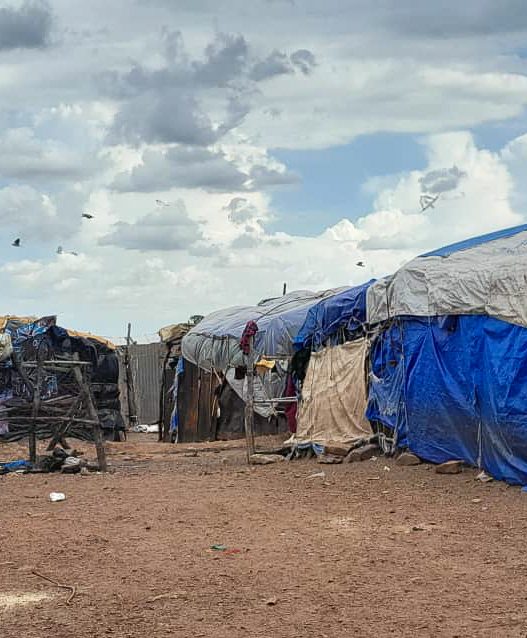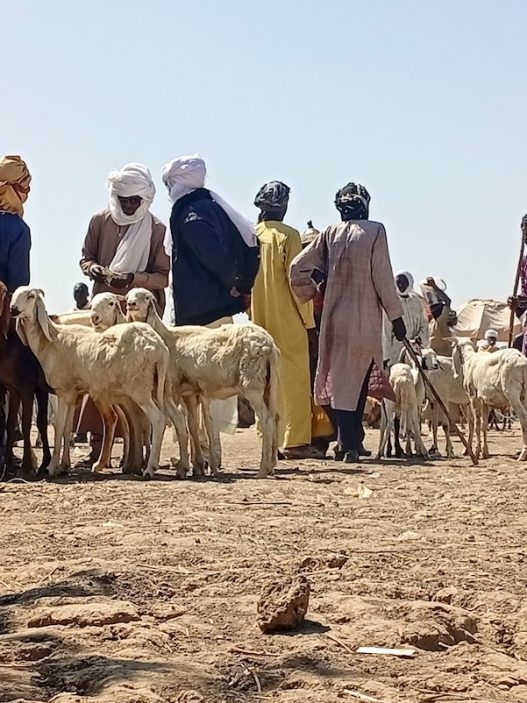



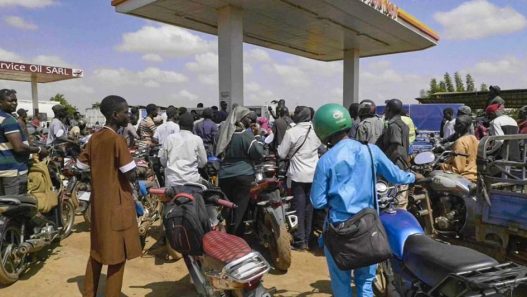

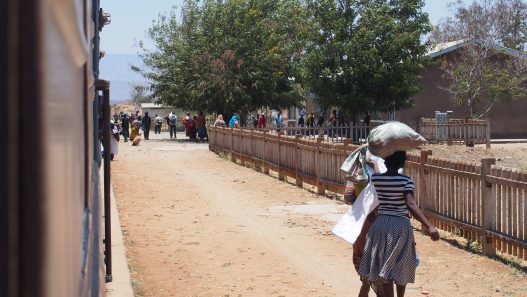
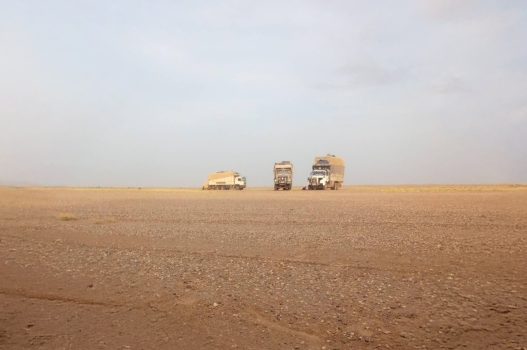
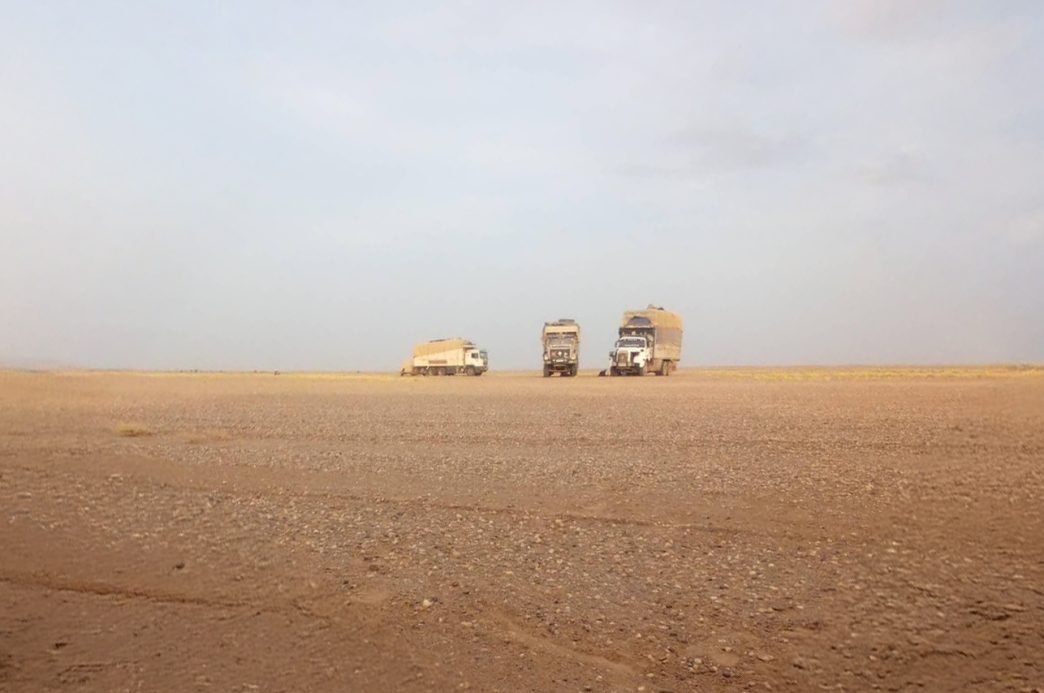
The migrants are transported in cargo trucks that have been fraudulently obtained by Arab traders. The vehicles carrying Algerian products, including powdered milk, cereals, oil, cement, drinks, to northern Mali, particularly Gao, Kidal and Timbuktu, bring back illegal migrants on their return journey. The journey that normally lasts three days is one filled with fear of being robbed by armed bandits, fear of dying of thirst in the event of a vehicle breakdown, and uncertainty about whether they will actually arrive in Algeria. This is the clandestine journey of sub-Saharan migrants.
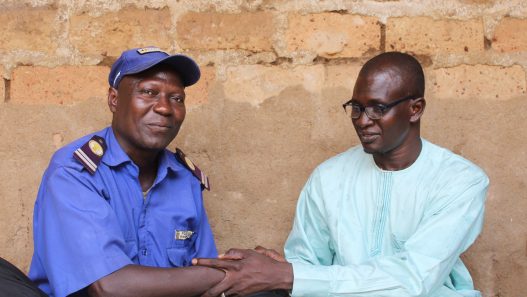
The role played by smugglers on this journey is crucial. These men take in illegal migrants in Gao before transporting them to Algeria in collaboration with lorry drivers. For many migrants this is their first illegal journey to Algeria. The smugglers negotiate the price of transporting migrants with the drivers. A foreign migrant may pay 100,000 francs or more for transport, while a Malian migrant who negotiates directly with the driver and arranges his own journey may pay between 25,000 and 40,000 francs for his journey, or even travel for free if he uses his social connections.
A 2,961 km journey across the Sahara Desert, a route of sand and stones, is what defines the Mali-Algeria road.