


Since June 2025, the GSIM (Group for the Support of Islam and Muslims), an al-Qaeda affiliate, has strengthened its presence in southern Mali. It regularly attacks Malian army positions. Furthermore, it is now exerting economic pressure through blockades of southern cities, bans on fuel imports, the destruction of factories, and the kidnapping of foreigners.
In August 2025, GSIM fighters targeted Chinese factories in the Kayes and Segou regions. They set fire to a large portion of the factories before disappearing with several hostages, including 11 Chinese nationals.
In retaliation for the involvement of residents of the Kayes and Nioro regions in simultaneous attacks carried out by GSIM against FAMAS (Malian Armed Forces) positions in those areas, the jihadist group first banned travel for anyone native to the aforementioned areas, before banning fuel imports into southern Mali.
On Tuesday, July 1, 2025, GSIM jihadists simultaneously attacked seven FAMAS positions, including those in Kayes and Nioro, inflicting heavy human and material losses on the army. However, the jihadists also suffered significant setbacks due to the population’s support for Malian soldiers. Videos that went viral on social media show civilians on the battlefield exposing the jihadists; videos in which the youth of Kayes voiced their support for the FAMAS against the GSIM jihadists. These events deeply affected the jihadists, who then, in August, targeted GSIM fighters.
Later on September 5, 2025, jihadists stopped Malian citizens from Kayes on National Highway 1 (RN1) and took them away. This abduction underscores the significance of the GSIM’s decision to impose a blockade in these regions. The residents of these regions, mostly merchants known for import and export trade, have been suffering since September 3 from a strict travel ban. To back down and apologize for what they had said against GSIM, the youth of Nioro, in a new video circulating on social media, speak out and plead with the jihadists to lift the blockade and embargo in Kayes and Nioro because they have already endured too much. However, no response offering relief has been given by the Islamic group.
In addition, the transport company “DIARRA Transport,” one of Mali’s largest road transport firms, has also been banned from operating. GSIM, now highly influential in southern Mali, announced in a statement that the company had been complicit in FAMAS operations that abducted ordinary civilians from Diarra buses, labeling them as jihadists. In retaliation, an embargo was imposed on the DIARRA company. Weeks later, the company’s manager broke her silence in a video posted on social media to ask GSIM for forgiveness and beg them to lift the embargo. In response, GSIM imposed a single condition on the company: that all female passengers wear a veil, not only on Diarra’s buses but also on those of other companies. The company was set to resume its transport operations on October 23, 2025, when the Malian government, in turn, summoned the manager of Diarra Transport and ordered the company to cease operations on October 22 until further notice.
Furthermore, GSIM banned the importation of fuel into Mali. In a statement, GSIM accused the Malian government of injustice in its management of fuel. It claimed that fuel was being withheld from the rural population under the pretext that villagers were selling fuel to jihadists. In retaliation, GSIM intervened to ban fuel imports into southern Mali. Consequently, drivers were killed, others kidnapped, and several full fuel tankers were burned, while others were emptied by jihadists after they had filled their motorcycles because they attempted to disregard GSIM’s warning.
This situation has forced the government to consider options for fuel supply in southern Mali. This is because the people in this part of Mali have come to believe in the power of GSIM and to doubt the growing strength of the army.
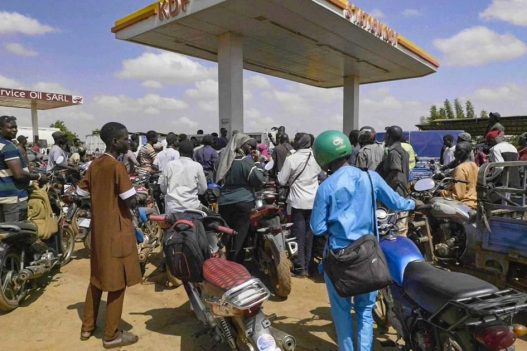
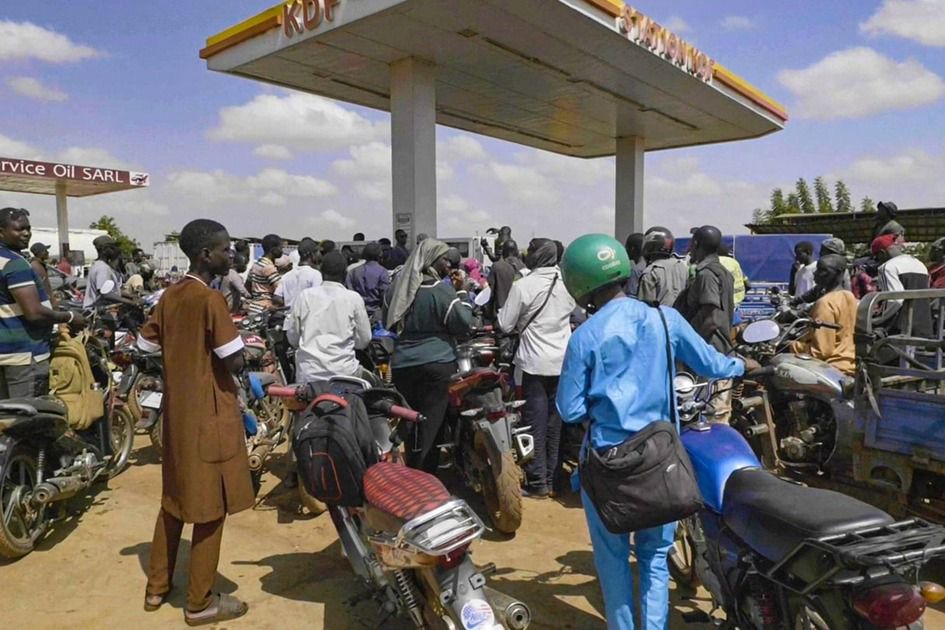
A military escort, both on the ground and in the air, now accompanies fuel tankers as they import fuel. It takes at least 4 to 5 days for this fuel to reach its destination. As a result, fuel is running low in Mali’s capital as well as in the southern regions. There are serious traffic jams at gas stations. The need for and shortage of fuel are forcing some motorists to spend the night at gas stations in order to get a few liters. Taxi drivers are out of work in Mali’s capital, as well as electricians and others, where electricity is available for only 6 hours out of 24. Retailers who struggle to pay for fuel at the station resell it at exorbitant prices; 1.5 liters is sold on the black market for 3,000 francs or more.
On January 29, 2026, GSIM fighters inflicted the greatest loss of fuel by burning several dozen tankers between Kayes and Djiboli. This operation by GSIM fighters comes after two months of inactivity; those two months were devoted to planning this unprecedented fuel fire. The Malian government, which had been importing fuel from Côte d’Ivoire for several months, had sought to improve its fuel storage to alleviate the burden on the population during Ramadan, which is two weeks away, by also importing fuel from Senegal. However, this strategy did not escape the GSIM, which dared to attack the military escort before burning all the tankers in the convoy. Videos going viral on social media (Facebook, TikTok, and WhatsApp) show the barbaric acts committed by GSIM fighters.
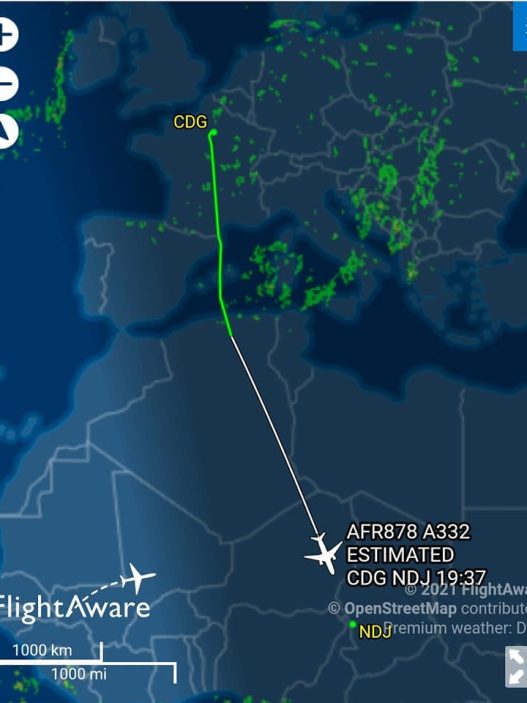
On the same date, January 29, 2026, GSIM claimed responsibility for the devastating attack on the Nigerien military base and the airport in the Nigerien capital, Niamey. This marks the second time the Islamic group has attacked an airport, following the attack on Bamako Airport.
Mali is facing a lot of consequences due to the blockades and embargoes imposed by the Al-Qaeda-affiliated GSIM. The measures imposed by the jihadists have made life more expensive than ever in Mali. Many workers have become unemployed, including electricians, transport workers, and electrical mechanics. This is because the fuel shortage has compounded the regular power outages that Mali has experienced since the start of the transition. In addition, residents of Kayes, Nioro, and Léré remain stranded in their cities without permission to travel.
This situation has exacerbated the economic crisis in these Malian cities. Transportation is becoming scarce on all roads connecting Bamako to other cities in the south. Access to Mali’s economic and administrative capital is now difficult due to the influence of jihadists, despite all the efforts the Malian government is making. The Malian people are concerned about the country’s alarming situation; armed attacks, factory burnings, killings, and kidnappings are on the rise in southern Mali, forcing citizens to ask themselves, “Do they want to seize power, or just inflict suffering on Mali and its brothers in the Sahel-Algeria-Sudan (AES) region?”