


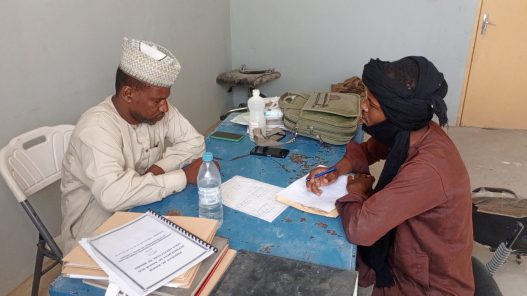
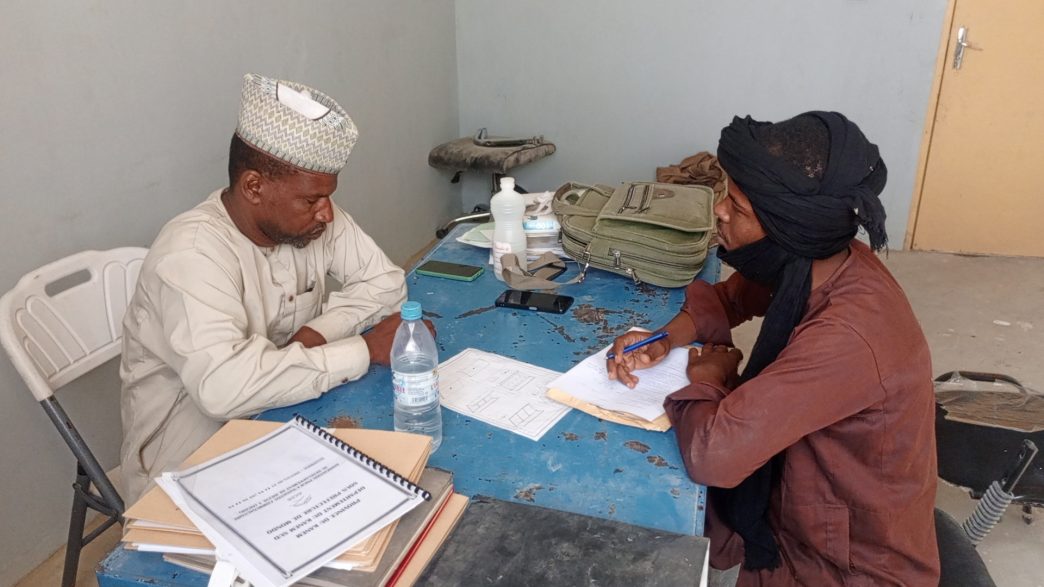
In the heart of Kanem, beneath an orange-hued sky, several stories unfold that illustrate the challenges of providing food aid for livestock during times of drought. As resources grow scarce and herders struggle to preserve their nomadic way of life, government intervention gives rise to both hope and concern. Through the testimonies of those who experience this reality on a daily basis, we discover the dilemmas surrounding aid that is necessary but sometimes perceived as a hindrance to their freedom.
The Dawn of a Choice
One rosy morning, as the dew lingers on the parched earth, I meet Moussa near his camp in Djimeri, a village situated 9 km south of Mondo. Sitting on an old wheelbarrow whilst waiting for a food convoy to pass, he confides in me in a calm voice: ‘You know, I’ve been travelling these vast expanses for as long as I can remember. My ancestors always knew how to read the land, to sense the coming of the rains. Today, with these fixed water points and the aid distributions, it’s as if we’re being told where to settle. I accept the aid, of course, because I have to feed my animals, but every drop of water distributed reminds me of my ancestors’ freedom. ”
Moussa, looking pensive, adds with a wistful smile: “Aid is like a double-edged sword: it saves the livestock, but it ties us down a little more to one spot.” With his gaze lost on the horizon, he suggests that, despite the immediate benefits, the question of maintaining their mobility remains essential to the nomadic spirit.
The Voice of Freedom
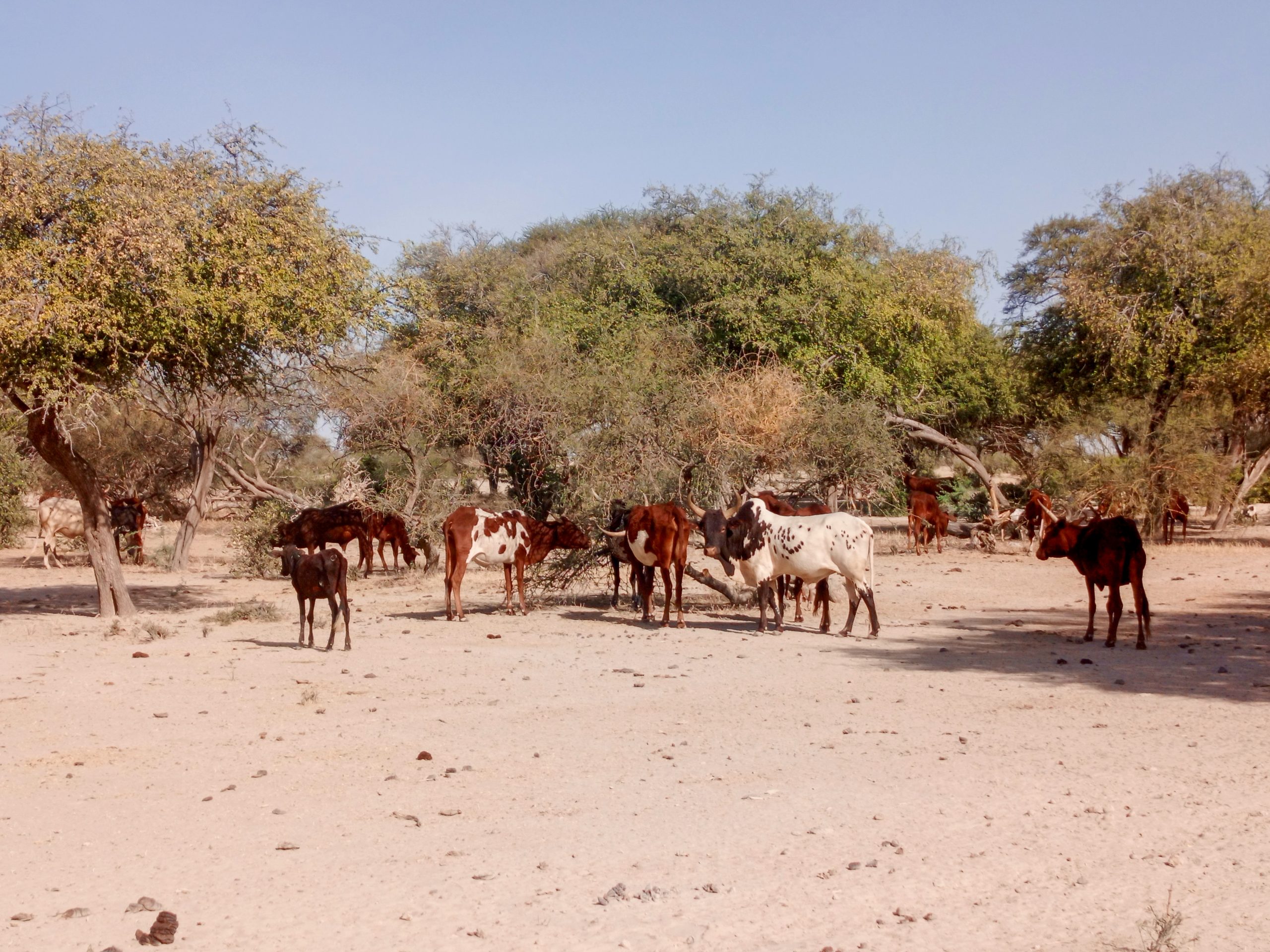
Not far from there, in a small clearing where the wind whips up swirls of dust, Abdou, another herder, takes a break. Sitting in the shade of an acacia tree, he shares his story with disarming candour: ‘I remember one day when a group of herders – my mates – refused to go to the distribution point. They said that by coming here, we were being trapped, that we were giving up our way of life. For me, moving on is more than a choice; it’s a necessity to prevent the land from becoming exhausted.’
In an almost conspiratorial tone, he recounts an anecdote: “One evening, round a campfire, one of us said: ‘If we stop here, it’s the end of our story. We were born to roam, not to settle down.’ Those words still echo in our minds, reminding us that aid, whilst vital, must never become a shackle. ”
These stories, imbued with resilience and reflection, reveal the delicate balance between immediate survival and the preservation of an ancestral way of life. For these nomads, food aid is a safety net, but it also raises profound questions about their identity and their future.
Behind the scenes of the intervention
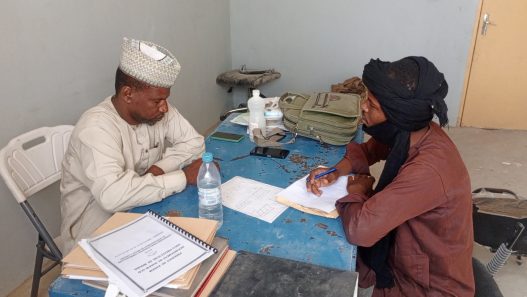
To understand the reasons behind these measures, I met Mamadou, the head of the livestock sector. In his modest office, situated at the western entrance to the town of Mondo and decorated with maps and old photographs of livestock farms, he explained to me in a calm and sincere voice: “Our priority is to protect the livestock during the drought. Permanent water points and water distributions are essential logistical tools for saving lives. I understand that some see this as an attempt to make them settle down, but I can assure you that our aim is not to change their way of life.” Mamadou leans forward slightly and adds: “We have listened to their concerns, which is why we hold regular meetings with the leaders of each community. We are seeking to adapt our approach so that the aid truly serves as support, without imposing any restrictions on their freedom. ”
On the ground: The reality of daily life
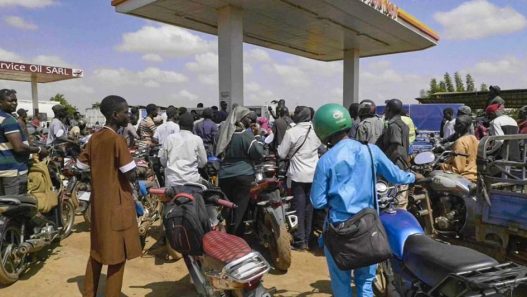
Later that day, I head out to the field where Issa, the livestock post commander, is based, on the outskirts of the town of Mondo. Settled in a tent near a distribution point, Issa welcomes me with a warm smile, despite the visible fatigue on his face. “Here, every day is a logistical challenge,” he begins, observing the queues of herders forming. “We sometimes face stock shortages, delays and, above all, palpable mistrust. Many think that our presence here means we want to corner them.” Issa takes the time to tell me about a striking incident: ‘The other day, a large group of farmers turned up, but as soon as they saw the designated distribution point, they decided to leave. They said: “No, we don’t want to be told what to do. We know our land better than anyone.”
His expression is both understanding and resolute. “We are here to help, and we are constantly striving to improve communication so that everyone feels respected.”
From the office to the community: The administration’s vision
To round off this immersion, I met Ibrahim, the acting prefect, in his office, where the view of the desert seems to serve as a daily reminder of the urgency of the situation. Seated behind a large wooden desk, he speaks with confidence and palpable sincerity. “The drought shows no mercy,” he says with a gentle smile. “Our mission is to act quickly to prevent humanitarian tragedies. Yes, the current measures may appear to be steering people towards a settled lifestyle, but they are, above all, a response to an emergency.”
Ibrahim explains passionately: “We have launched several initiatives to engage in dialogue with the communities. Every consultation, every meeting is an opportunity to understand their needs and tailor our aid accordingly. We do not want this aid to be seen as interference, but as temporary support to help them get through a difficult period.”
He concludes on a note of hope: “The future of our region depends on our ability to work together. By listening to the voices of the herders, we will be able to strike a balance between the need to protect livestock and respect for their ancestral way of life. ”
A quest for balance
Each of these stories reveals the complexity of vital aid which, whilst saving lives today, must not compromise the freedom and identity of long-established nomads. Moussa and Abdou embody a quiet resistance, asserting that hope lies in mobility and cultural heritage. Mamadou and Issa, for their part, are working from within to ensure that government measures are adapted to the realities on the ground. And finally, Ibrahim, from his office, reminds us that dialogue and listening are the keys to building a future where urgency and respect for traditions coexist harmoniously.
These stories – ranging from confidences shared round a fire, to lively discussions in broad daylight and exchanges in modest offices – paint a picture of a Kanem in search of balance. A balance in which state aid never replaces ancestral knowledge, but supports those who, day after day, struggle against the relentless drought whilst keeping the flame of their freedom alive.